JAPANESE JUJITSU
Why Study Jujitsu?
Japanese Jujitsu is the art that martial arts came from. Before Judo was systematized for sport and before Brazilian Jiu-Jitsu found its way to the competition circuit, classical Jujitsu was the combat system of feudal Japan — developed over centuries to address the full range of physical confrontation, with or without weapons, standing or on the ground. What we practice at Red River Judo is that same comprehensive system, taught with fidelity to tradition and an eye toward real-world application.
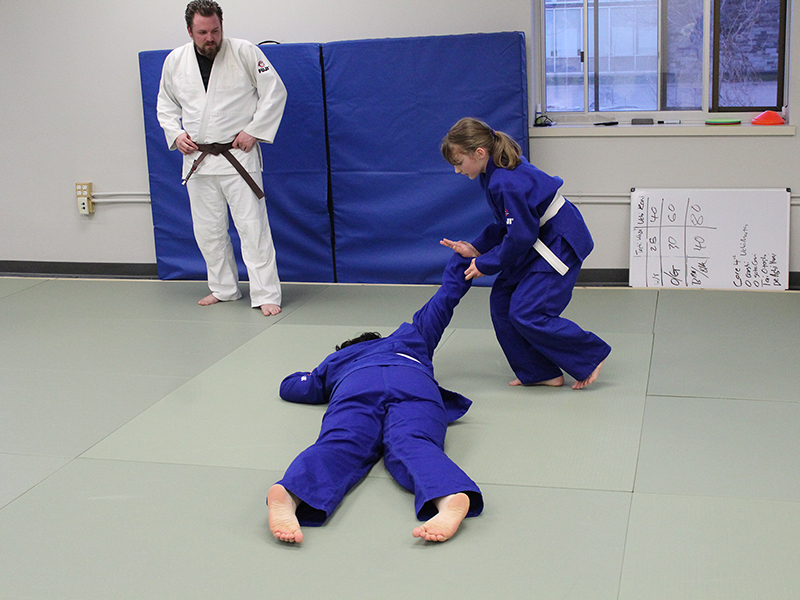
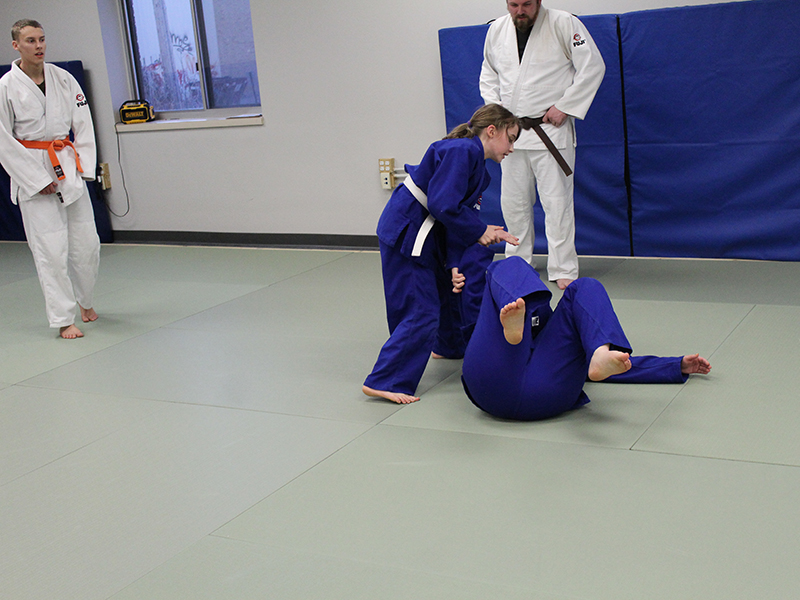
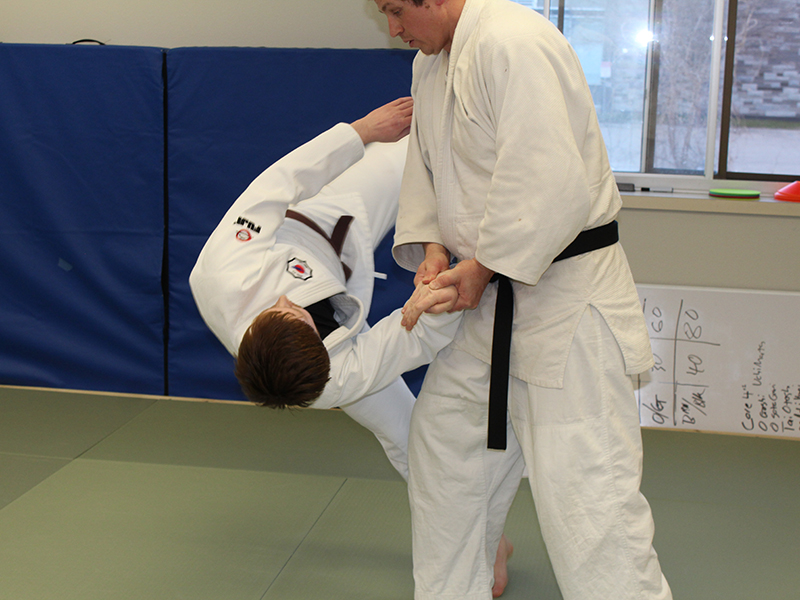
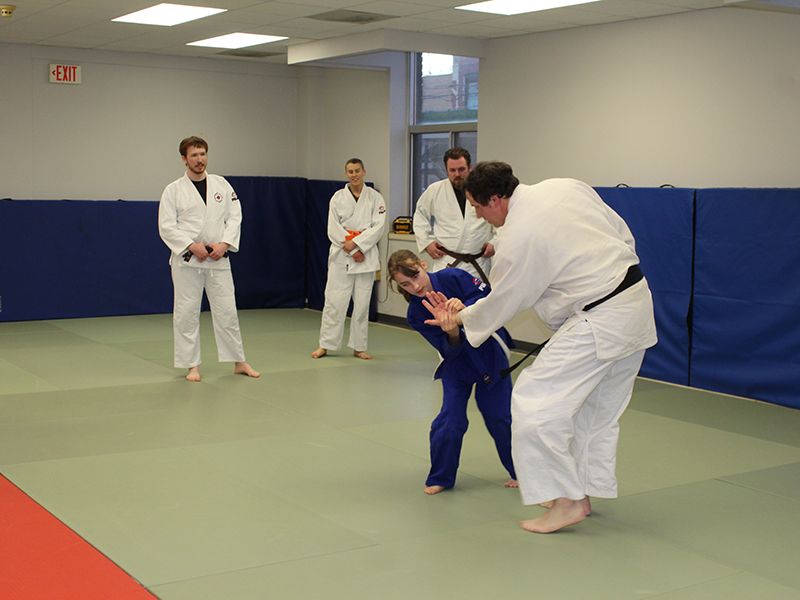
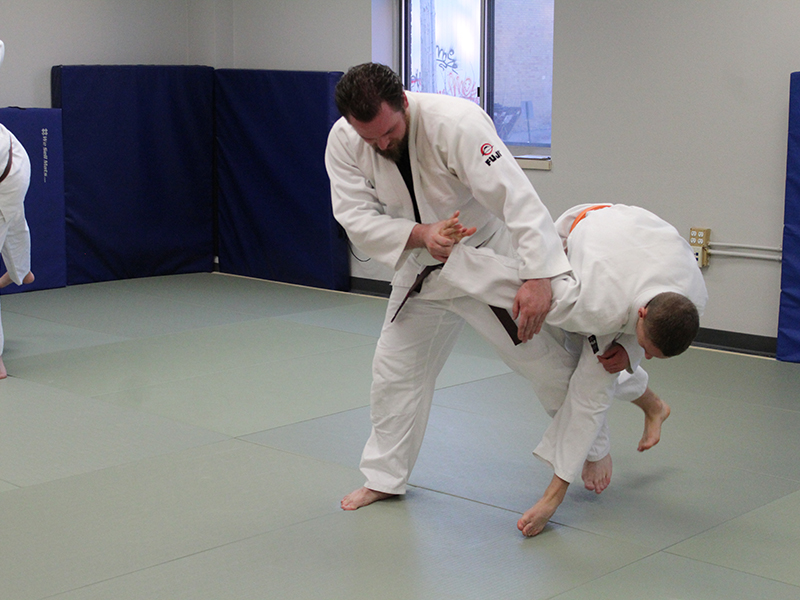
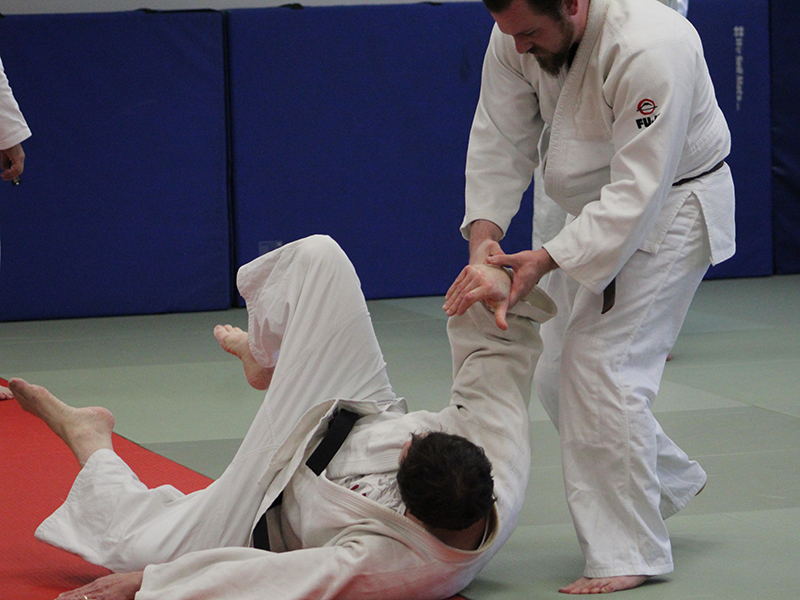
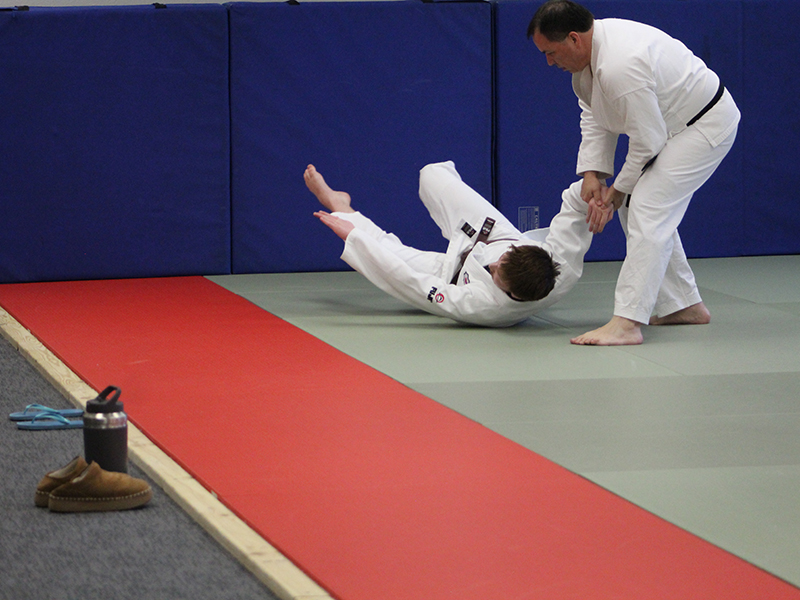
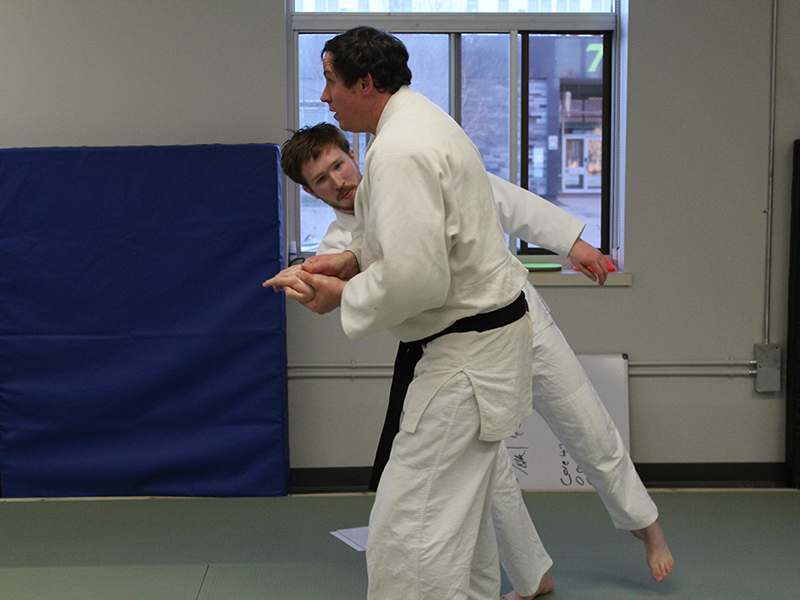
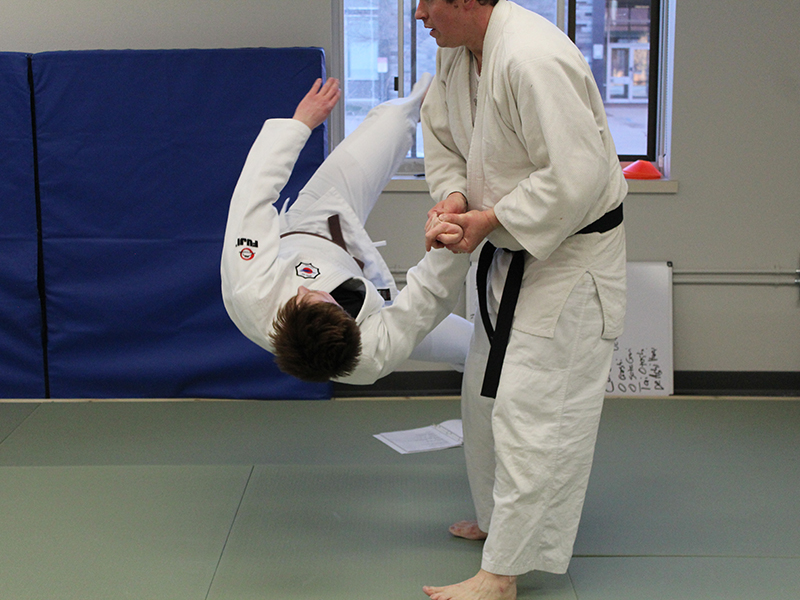
Where most modern martial arts specialize, Jujitsu generalizes. A single curriculum covers throws and takedowns, joint locks, chokes, strikes, ground control, and defense against weapons and multiple threats. The result is a practitioner who isn’t limited to one range or one scenario — and who understands the underlying principles well enough to adapt when things don’t go according to plan. That adaptability is what made Jujitsu the foundation every other art was built on.
Training is rigorous and rewarding. The path to black belt is measured in years, not months, and every rank represents genuine competency — not just time served. If you’re looking for a martial art with depth, history, and practical application that holds up under pressure, Japanese Jujitsu is a rare and serious choice. We’d be glad to show you what it looks like from the inside.
Red River Jujitsu Q&A
The rank progression in Japanese Jujitsu typically spans six to ten years for a first-degree black belt (shodan), depending on the student’s frequency of training and individual progression. The curriculum is divided into kyu (student) grades and dan (black belt) grades. Each level introduces new technique sets and refines those previously learned. Unlike some arts where rank is tied purely to time, advancement reflects demonstrated competency — so consistent, focused training is more important than longevity alone.
No prior experience is needed. The program is structured so that beginners develop foundational body mechanics, falling skills, and basic techniques before advancing to more complex combinations. If you have a background in another grappling art — judo, wrestling, BJJ — that experience will carry over and accelerate your progress, but it’s not a prerequisite. Many students arrive with no martial arts background at all.
Japanese Jujitsu was originally developed for battlefield and civilian self-defense — practicality is its core DNA. The techniques address common real-world situations: grabs, chokes, wrist control, ground defense, and weapon threats. At Red River, the curriculum is taught with real application in mind. While the art maintains traditional forms and etiquette, the techniques are trained with aliveness and functionality, not just as kata demonstration.
Japanese Jujitsu is the classical root art from which both Judo and Brazilian Jiu-Jitsu were derived. Where Judo focuses primarily on throwing and competition sport, and BJJ emphasizes ground grappling, traditional Jujitsu is a comprehensive system: it includes strikes, joint locks, throws, ground control, and weapons defense. The curriculum is broader, with an emphasis on practical self-defense in a variety of scenarios rather than a single competitive format.